
"coffee mechanical picking"
800 article(s) found
The growth cycle and picking of high-quality coffee
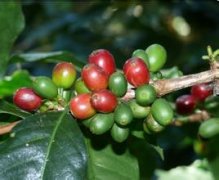
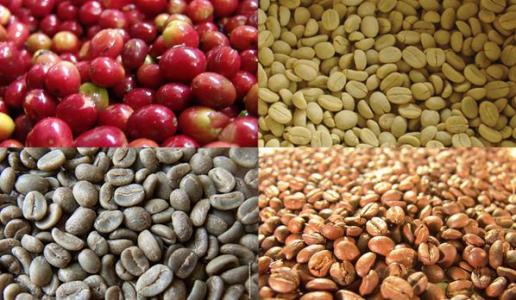
Coffee beans are the seeds of coffee trees. After three or four years of growth, the coffee tree matures and begins to bear fruit, with one fruit arranged in clusters or clusters along the branches. The outside of the seed is a layer of peel, which can be picked as soon as it turns red. Under the red skin (exocarp) there is a layer of pulp (mesocarp), which is a small thin layer, and then a layer of material endocarp like parchment. In
The method of primary processing of coffee drying method and washing method
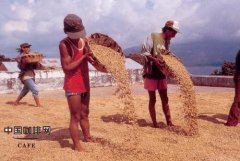
There are many initial processing methods of coffee, which are mainly divided into dry processing, wet processing and semi-dry processing. Here we briefly introduce the first two processing methods. 1. Dry processing (dry process): the fresh coffee fruit is dried into dried fruit, and then the dried peel is removed mechanically to prepare raw coffee. 2. Wet processing (wet process): coffee fruit in aqueous medium

Geo-climatic production process of coffee in Rwanda
Malaba Coffee grows in southern Rwanda, about 12 kilometers (7 miles) from the city of Butare and 150 kilometers (93 miles) from the capital, Gejali. The plan began in the Malaba area of Butare province, but was taken over by a local government organization in 2006, which is now part of the Huye district of the southern province. Due to its proximity to the East African Rift Valley and the Neuenway Forest Mountains, the terrain
How are coffee beans removed?
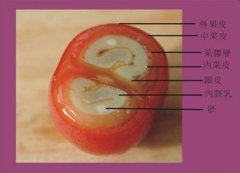
Specialty coffee is also known as specialty coffee. It refers to coffee made from green beans with excellent taste characteristics grown in a few extremely ideal geographical environments. Depending on the particular soil and climatic conditions in which they are grown, they have outstanding flavors. This type of coffee is carefully selected and graded for its hard texture, rich taste and wind.

Coffee bean treatment method of washing, entry coffee must understand
What is the washing method? As a coffee consumer, whether we shop online or go to a coffee shop to buy freshly roasted coffee beans, there is always some information about this bean on the package: altitude, country of origin, producing area, some flavor labels, coffee beans and coffee treatment. As far as Leon is concerned, the last person I really know about the above information is the processing method.

Barista exam questions, junior and intermediate barista theory test papers and answers
First, multiple choice question 1. Coffee made from a mixture of two kinds of coffee beans is called (B). A, single product B, blending C, multi-product D, instant 2. Lanshan coffee beans are mostly stored in (D). A, high-density sealed can B, tin foil bag C, gunny bag D, barrel 3. Usually the shelf life of well-packaged coffee beans is (D). A, 5 years B, 3 years C, 2 years D, 1 and a half years. The thick thickness is

Introduction to the process of washing coffee and beans with bright and clear acid
Professional coffee knowledge exchange more coffee bean information please follow the coffee workshop (Wechat official account cafe_style) front street-washing treatment process introduction every coffee production season, farmers will coffee fruit after picking, collected into a fixed open-air sink for storage, the sink is filled with water, branches rotten leaves and density screening. Let's take a look at the process of washing treatment.

The growth cycle of Coffee and the Coffee Science of picking Fine products
The growth cycle of coffee and the picking of coffee beans are the seeds of coffee trees. After three or four years of growth, the coffee tree matures and begins to bear fruit, with one fruit arranged in clusters or clusters along the branches. The outside of the seed is a layer of peel, which can be picked as soon as it turns red. Under the red skin (exocarp) there is a layer of pulp (mesocarp), inside is a small thin layer, and then there is a layer like parchment
The Post-processing method of Coffee Primary processing High-quality Coffee beans
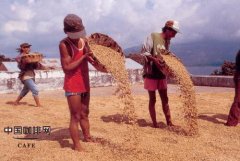
There are many initial processing methods of coffee, which are mainly divided into dry processing, wet processing and semi-dry processing. Here we briefly introduce the first two processing methods. 1. Dry processing (dry process): the fresh coffee fruit is dried into dried fruit, and then the dried peel is removed mechanically to prepare raw coffee. 2. Wet processing (wet process): coffee fruit in aqueous medium

Baristas unified examination (national paper) questions (pay answer 0
First, multiple choice question 1. Coffee made from a mixture of two kinds of coffee beans is called (B). A, single product B, blending C, multi-product D, instant 2. Lanshan coffee beans are mostly stored in (D). A, high-density sealed can B, tin foil bag C, gunny bag D, barrel 3. Usually the shelf life of well-packaged coffee beans is (D). A, 5 years B, 3 years C, 2 years D, 1 and a half years. The thick thickness is

Introduction to the Variety characteristics of Brazilian Coffee Bean picking season-planting Environment Flavor description method
Brazilian Coffee Bean picking season-planting Environment Flavor description treatment Variety characteristics A coffee tree's vigorous production period usually lasts about 15 years, of course, some trees are still fruitful for 20 or 30 years. As soon as the coffee tree loses its ability to bear fruit, it will be cut down on the spot and uprooted so as not to compete for nutrients with other trees that are still strong and can bear fruit. Coffee production is related to the types and types of coffee trees

Coffee tanning method
Sun-dried beans have a complete natural mellow flavor, gentle fragrance and more gum; washing laws have a good mellow taste, a high degree of fragrance and active sour taste.

The growth cycle of coffee and picking coffee beans are the seeds of coffee trees.
Coffee beans are the seeds of coffee trees. After three or four years of growth, the coffee tree matures and begins to bear fruit, with one fruit arranged in clusters or clusters along the branches. The outside of the seed is a layer of peel, which can be picked as soon as it turns red. Under the red skin (exocarp) there is a layer of pulp (mesocarp), which is a small thin layer, and then a layer of material endocarp like parchment. In

Introduction to the treatment of water-washed honey of coffee beans with fruit pulp in the sun
There are two methods for selecting defective coffee beans: manual selection and mechanical selection. Manual selection is an assembly line, in which several workers sit on a transmission belt about 1 meter wide to pick out defective beans, and some strict farms will manually select them many times until no defective beans are seen. The rule of mechanical selection is to identify by computer, and to remove defective beans and grade them is to divide coffee beans into different categories according to the standard.
Flavor characteristics of Brazilian coffee beans in Brazilian half-sun treatment story of Brazilian coffee beans
Description of flavor acidity of sun treatment and Brazilian half-sun A brief introduction to the acidity of coffee fields in Brazil, most of them are harvested mechanically in order to achieve economic benefits. When 75% of the coffee fruit in the coffee garden turns red, it starts to be harvested mechanically, followed by the same pre-operation of washing, moving into the sink to remove the floating beans, sifting out the sunken beans, and then using a large pulp screening machine to dig out the pulp and take it out.

Introduction to the characteristics of Rwandan Coffee beans in Rwanda Coffee Flavor Manor area
Malaba Coffee grows in southern Rwanda, about 12 kilometers (7 miles) from the city of Butare and 150 kilometers (93 miles) from the capital, Gejali. The plan began in the Malaba area of Butare province, but was taken over by a local government organization in 2006, which is now part of the Huye district of the southern province. Due to its proximity to the East African Rift Valley and the Neuenway Forest Mountains, the terrain

How to treat coffee beans
From: Eagle Health 2014-09-28 21:10:56 1. Sunning method--- Depending on the weather, it takes about two to four weeks to reduce the moisture content of the coffee beans in the fruit to 12%.
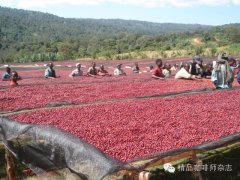
Coffee beans harvesting Coffee beans harvesting
Coffee beans are the seeds of coffee trees. After three to four years of growth, coffee trees mature and begin to bear fruit, one fruit after another arranged in clusters or clusters along the branches. The seed is covered with a peel that can be picked as soon as it turns red. Below the red skin (exocarp) is a layer of flesh (mesocarp), inside is a small thin layer, and further inside is a layer like parchment
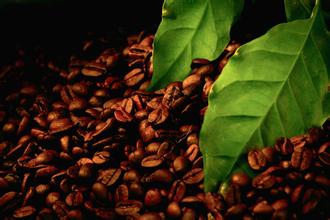
Geo-climatic production process of coffee in Rwanda
Maraba Coffee, the geographic and climatic editor, is grown in southern Rwanda, about 12km (7 miles) from the city of Butare and 150km (93 miles) from the capital, Gejali. The plan began in the Malaba area of Butare province, but was taken over by a local government organization in 2006, which is now part of the Huye district of the southern province. Due to its proximity to the East African Rift Valley and Neuenweisen,

Malaba coffee grown in southern Rwanda Lutechiro, Western Province
Maraba coffee is grown in southern Rwanda, about 12 km (7 mi) from Butare and 150 km (93 mi) from the capital, Gigali. The project began in the Malaba area of Butare province, but was succeeded by local government organizations in 2006, and the area is now part of the Huye region of Southern province. Due to its proximity to the Great Rift Valley and the Nunwe Forest Mountains, the terrain of this zone